

The Smartest First Step for Any Major Home Project
A renovation or extension is one of the largest financial investments you will ever make. To protect that investment, the planning phase must balance both design and budget. Many homeowners start by commissioning detailed architectural drawings before consulting a builder, which can lead to budget gaps when the project is eventually priced for construction.
At Builders Waikato, we believe the best building projects result from a collaborative approach. A design professional's strength lies in spatial flow, architectural aesthetics, and creative layout planning. A builder's strength lies in real-time material costing, trade sequencing, and local site logistics.
By obtaining a builder-led feasibility study before or during your design phase, you combine these complementary skill sets. This ensures that the plans being drawn are structurally viable and fully aligned with your real-world budget, preventing the disappointment of having to redraw plans later.
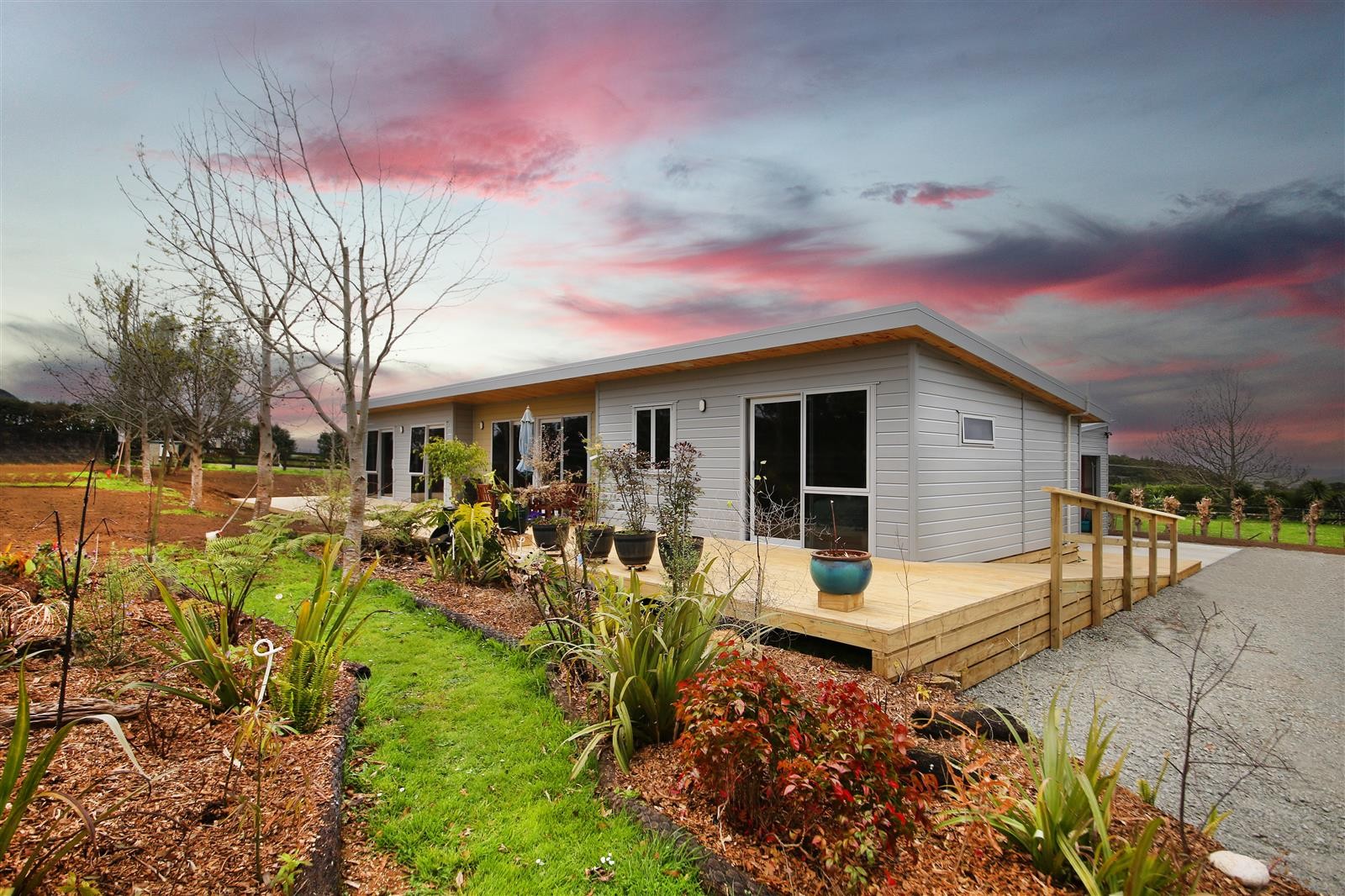
Building in South Waikato: Why Local Ground Conditions Make Feasibility Vital
South Waikato has highly variable ground conditions, and the cost difference between a standard build and a complex structural build can exceed $30,000 in foundation engineering alone. Understanding what lies beneath your topsoil is the single most important budget-protection decision you can make.
Soft Peat and River Catchments near Karapiro and Horahora
If your property is situated along the Waikato River corridor, Lake Karapiro, or low-lying areas of Tokoroa, your building platform may consist of soft peat or alluvial clay with low bearing capacity.
Standard concrete slabs are often legally and structurally non-compliant on these soils. A feasibility site visit allows us to evaluate the site and advise on whether deep-driven timber piles, concrete piles, or engineered subfloors will be required under the standard New Zealand building codes.
Asbestos and Non-Compliant Historical Alterations
Our local towns of Tokoroa and Putaruru feature a large volume of robust mid-century homes built during the forestry mill expansions. While structurally sound, pre-1980 homes carry a high statistical risk of containing asbestos-containing materials (ACMs) in wall linings, floor tiles, and eaves.
Furthermore, many of these older properties feature historical DIY renovations completed without council consent. If a new addition is tied into a non-compliant structure, the South Waikato District Council (SWDC) can require retrospective consent for the existing work before approving your new project. A feasibility study identifies these legal and physical hurdles upfront.
What a Feasibility Study Delivers to You
A feasibility study is a professional, pre-construction audit of your property. It provides you with clear, plain-language written documentation that you can use to make informed decisions before committing to architectural drawings or council applications:
A Realistic Cost Range
An itemised budget estimate based on current material costs and subcontractor rates in South Waikato, not national averages.
Zoning and Boundary Compliance
An audit of your site against SWDC boundary setbacks, height-to-boundary ratios, and maximum site coverage allowances.
Geotechnical and Drainage Review
Identification of obvious soil issues, stormwater drainage pathways, and potential septic or waste-water complications on rural lifestyle blocks.
Structure and Load-Path Assessment
Ben inspects the existing framing and foundation connection points to determine how easily a new roofline or addition can be integrated.
A Legal Consent Pathway
A clear breakdown of whether your project requires building consent, resource consent, or regional council watercourse clearances.
Types of Feasibility Studies We Offer
We provide three tailored feasibility studies depending on your property type and project intentions:
Residential Renovation Feasibility
Designed for homeowners planning major interior structural changes, wall removals, or wet-area reconfigurations in existing homes. This study focuses heavily on verifying the existing subfloor timber condition, load-bearing pathways, and electrical safety, and on identifying potential pre-1980 asbestos hazards.
Home Extension and Addition Feasibility
Designed for families planning to add a footprint, such as a master suite, a wing, or a garage. This study focuses on your site's boundary setbacks, maximum site coverage limits, existing roofline tie-in points, and the evaluation of whether your ground conditions require standard concrete slabs or pile-supported timber floors.
Lifestyle Block and Rural Site Feasibility
Designed for properties outside our town boundaries, particularly in the Horahora, Karapiro, and rural Putaruru corridors. This study focuses on service connections, septic system capacities, stormwater runoff pathways, rural access, and regional council regulations near waterways.
How Your Feasibility Assessment Is Delivered: Step by Step
Initial Consultation
We discuss space requirements, timeline, and budget. We confirm property location and outline the feasibility study scope.
Pre-Site Review
We pull public SWDC district plan records to identify boundary lines, setbacks, site coverage, and any recorded historical non-compliance.
On-Site Structural Audit
Ben visits your property to conduct an in-person inspection of existing foundations, subfloor moisture levels, and load-bearing pathways.
Financial & Legal Scoping
We compile current material and trade rates to draft a realistic cost range and define your exact building consent requirements.
Pre-1980 Hazard Audit
If built before 1980, we perform a visual assessment to identify potential ACMs in linings or soffits, helping you budget for controlled demolition.
Technical Mapping
We check site-specific drainage, waste-water service access points, and perform a visual check for obvious ground stability issues.
Technical Mapping
We check site-specific drainage, waste-water service access points, and perform a visual check for obvious ground stability issues.
Pre-1980 Hazard Audit
If built before 1980, we perform a visual assessment to identify potential ACMs in linings or soffits, helping you budget for controlled demolition.
Financial & Legal Scoping
We compile current material and trade rates to draft a realistic cost range and define your exact building consent requirements.
Report Generation
We collate findings into a plain-language report outlining your cost range, SWDC rules, structural considerations, and site risk register.
In-Person Walkthrough
Ben meets with you to walk through the report, explain structural and financial variables, and answer questions before you spend on plans.
FAQs: Feasibility Studies
Other Services We Offer
Get Honest Answers on Costs, Consents, and Feasibility Before You Commit
The homeowners who regret skipping a feasibility study are not the ones who saved money on the fee. They are the ones who committed to an architect's design, spent $10,000 to $15,000 on drawings, and then received a builder's quote $80,000 above what they expected.
A builder-led feasibility assessment answers the questions that determine whether your project is worth pursuing, what it will cost, and what the hidden risks are, before you commit anything significant. That is the starting point for every project we take on.